What topics does the GFI Conference cover?
GFI brings together researchers studying how genes, physiology, and the environment shape reproduction and development. The scientific program changes each year, with recurring themes that connect molecular and cellular processes to fertility, pregnancy, and offspring health.
Germ cells and fertility
Sessions explore how sperm and eggs form, mature, and support fertilization. Past programs have covered germline stem cells, meiosis, chromosome segregation, sperm development, and ovarian aging, alongside research on infertility, assisted reproduction, and fertility preservation.
Embryos and the placenta
Sessions follow development from fertilization and the first embryonic cell divisions through implantation and placental development. Researchers use approaches such as live imaging and single-cell genomics to study how cells acquire distinct identities and how the embryo, uterus, and placenta interact.
Genetics and epigenetics
Sessions examine how DNA methylation, chromatin organization, and genomic imprinting regulate gene expression during reproduction and development. A recurring question is how parental age and environmental exposures affect gene regulation in sperm, eggs, and early embryos, and whether those effects extend to offspring.
Reproductive hormones, physiology, and health
Sessions explore how hormonal signals between the brain, pituitary gland, ovaries, and testes regulate reproduction. Topics include how hormones such as follicle-stimulating hormone (FSH) support ovarian follicle development and sperm production, as well as how metabolism and inflammation influence fertility, pregnancy, and reproductive disease.
Stem cells and organoid models
GFI also explores how stem cell models can help answer questions about human development and disease. Researchers use human induced pluripotent stem cells (iPSCs) to generate specialized cell types and build three-dimensional models. Different types of organoids can model aspects of the placenta, reproductive tissues, or developing organs such as the brain. These systems let researchers follow how cells specialize, study how tissues form, and test how genetic variants or environmental exposures affect those processes.
Barrie Kitto — A Legacy of Science, Art, and Friendship
Dr. G. Barrie Kitto, Professor Emeritus of Biochemistry at the University of Texas at Austin, was a pioneering researcher in comparative biochemistry and enzyme evolution. His research explored the structure, function, and evolutionary relationships of enzymes, particularly malate dehydrogenase, contributing to early understanding of how related enzymes diversify across species. His scientific work was closely aligned with the original focus of the Isozyme Conference.
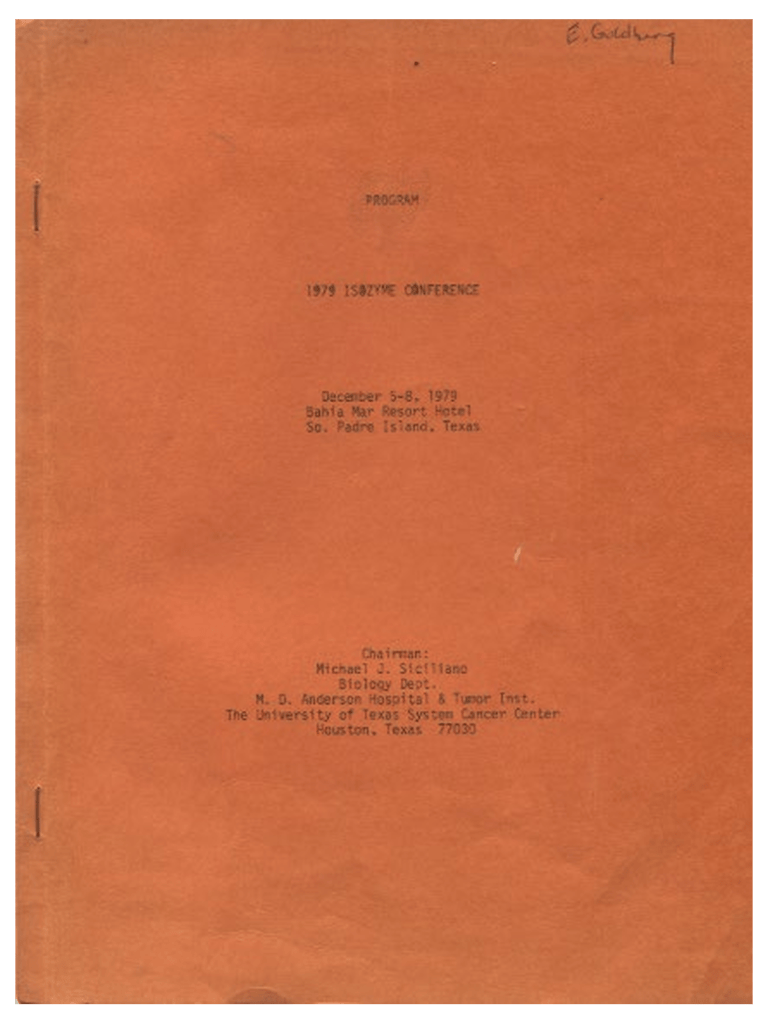
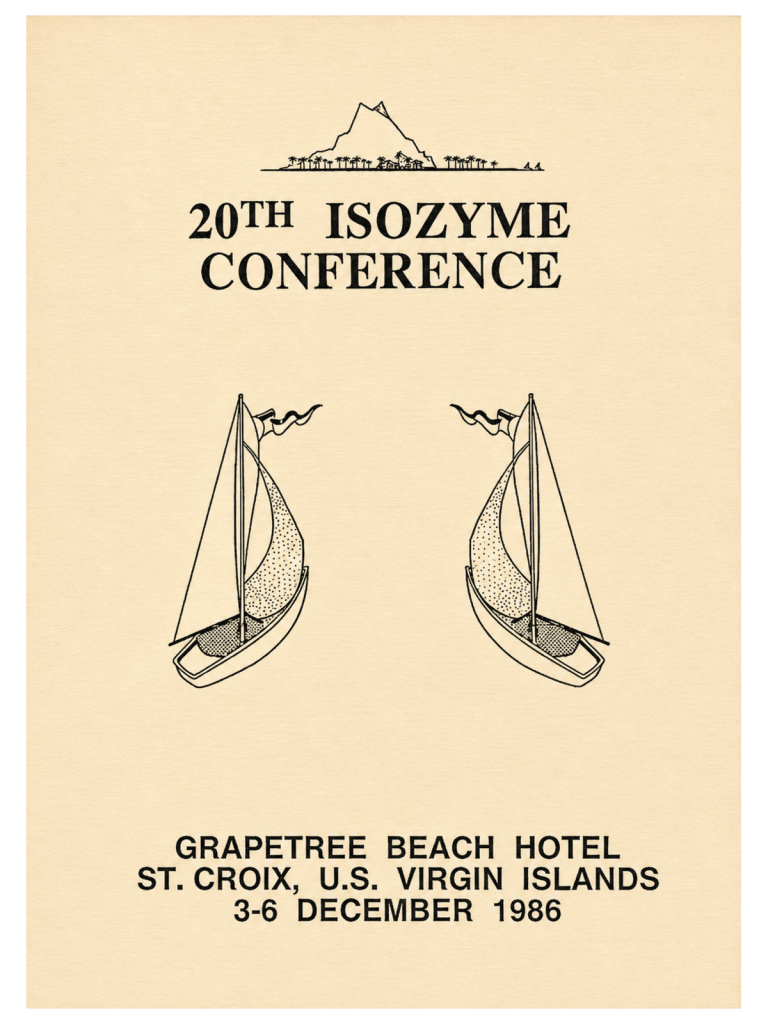
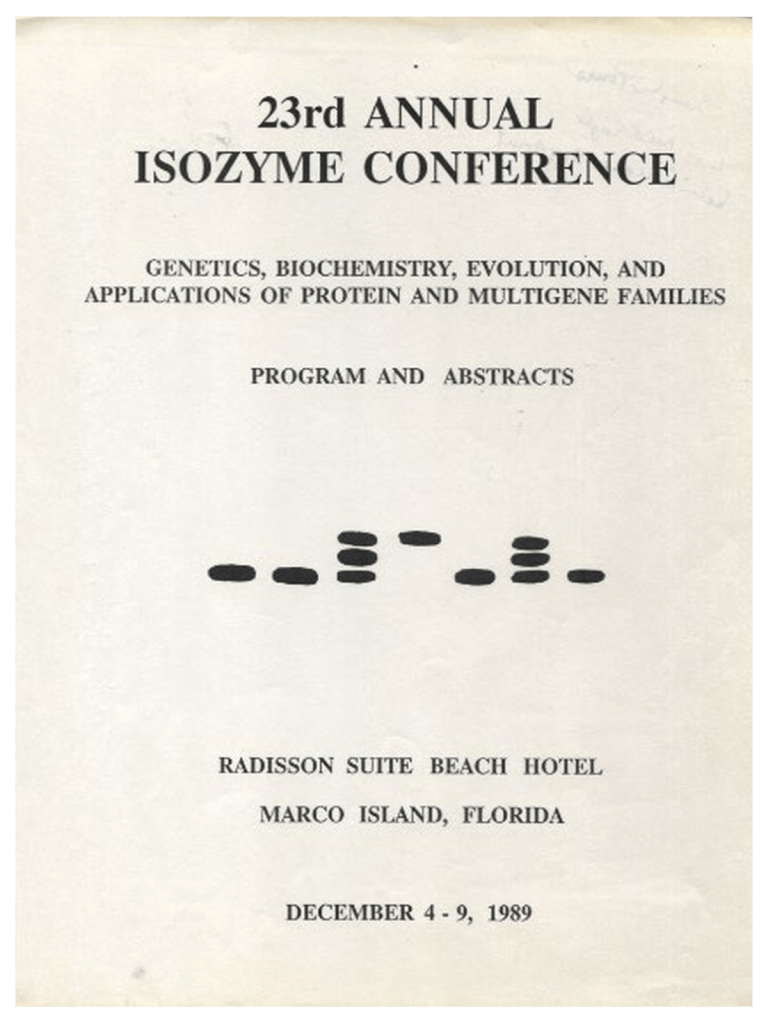
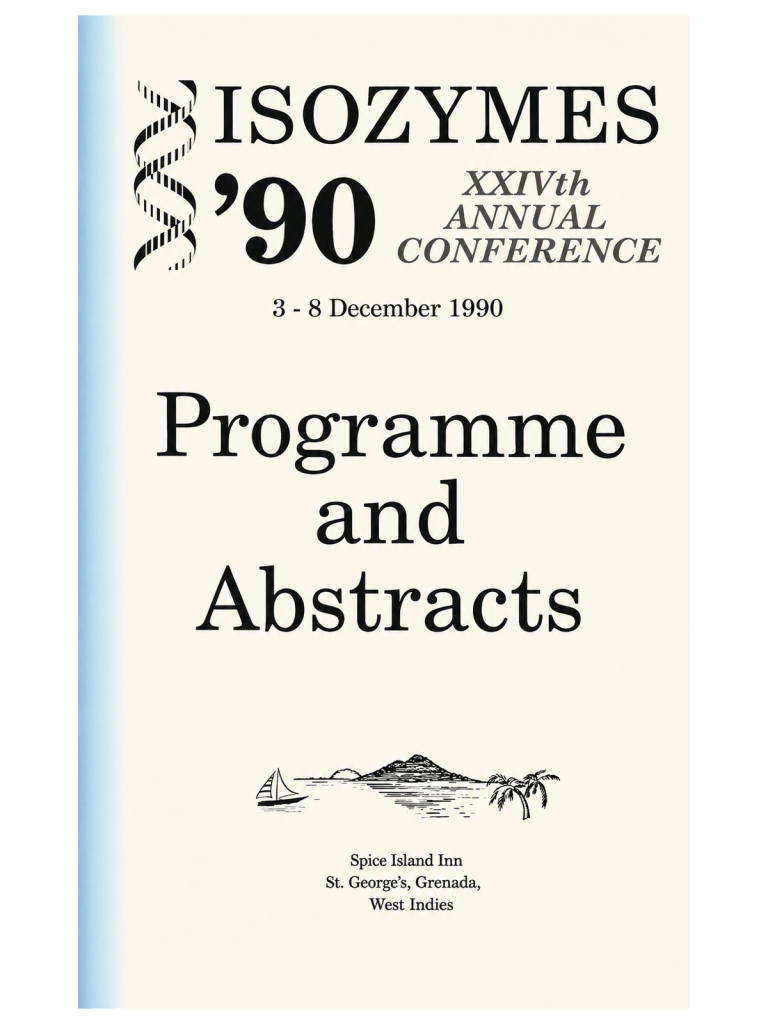
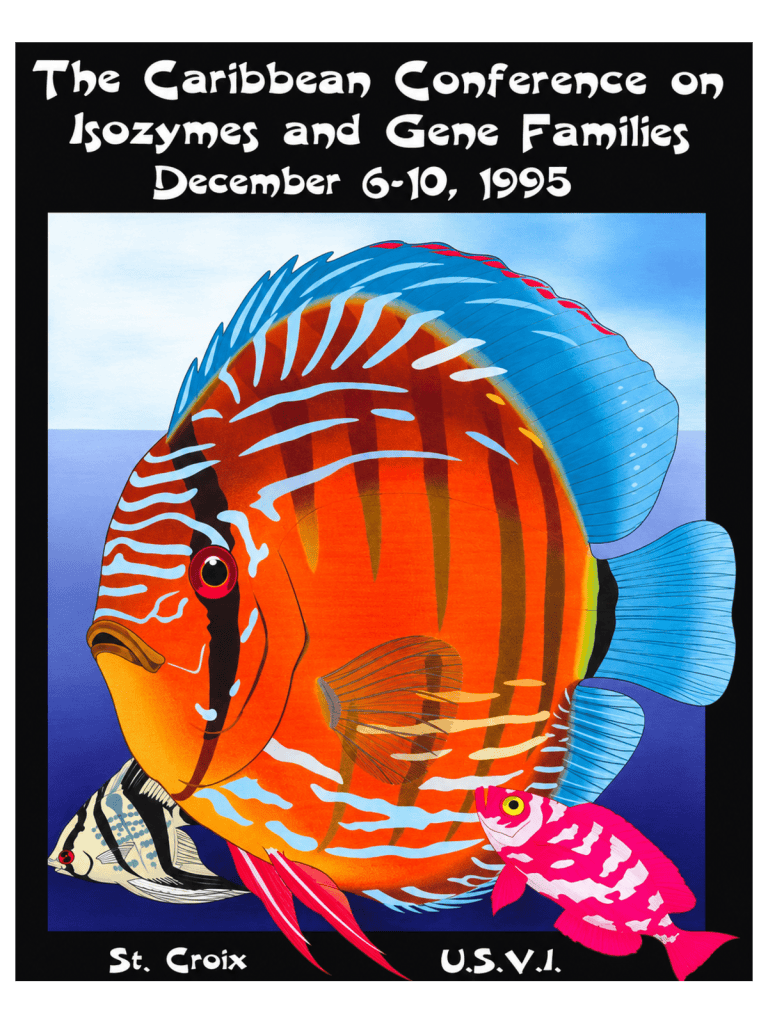
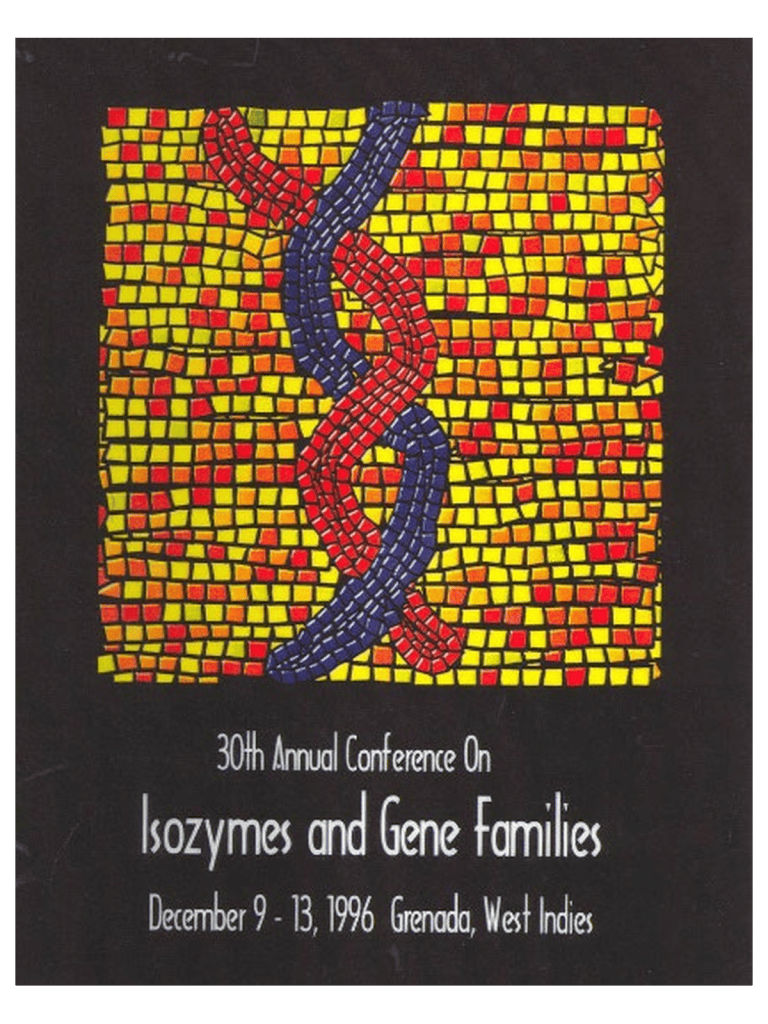
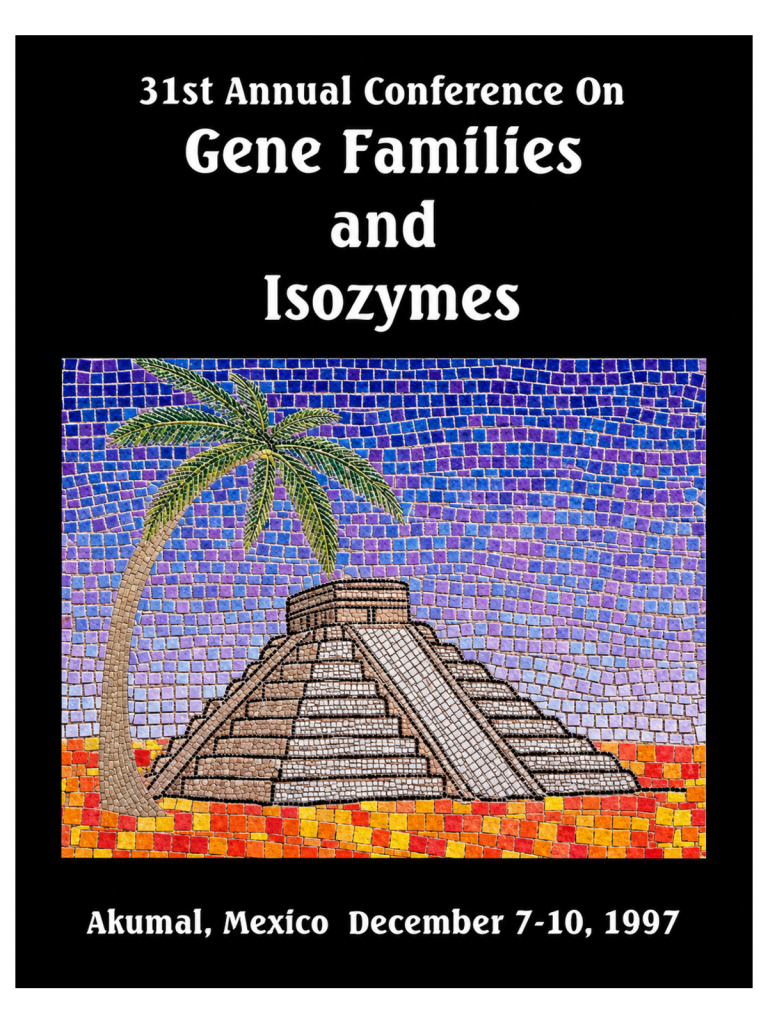
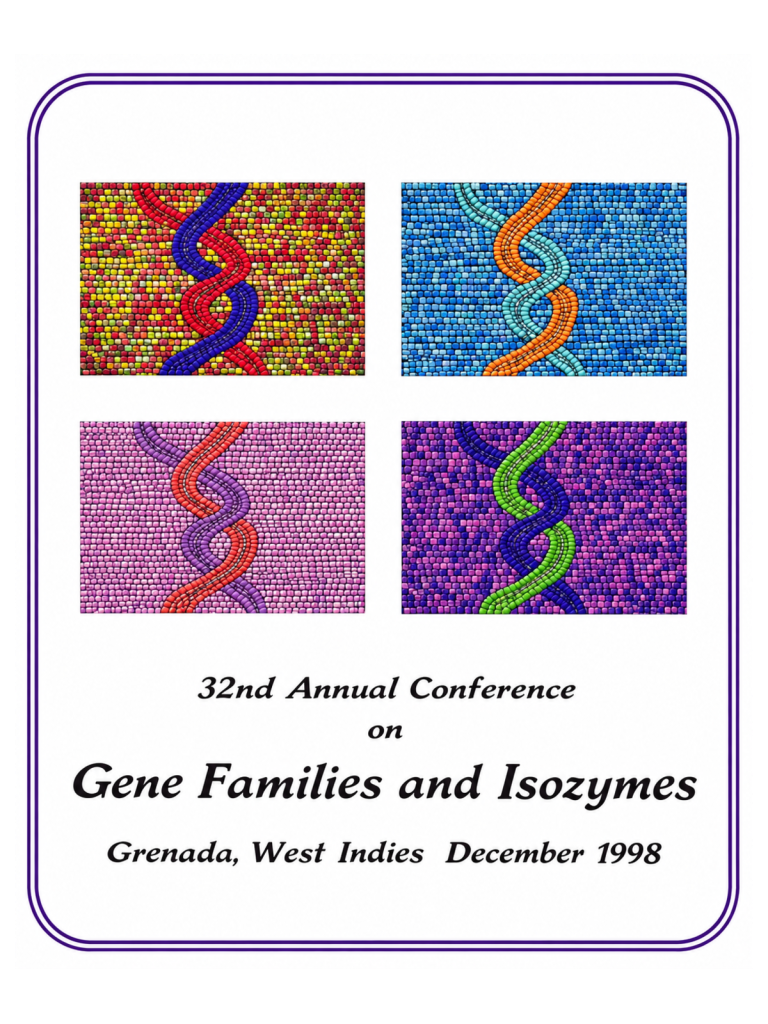
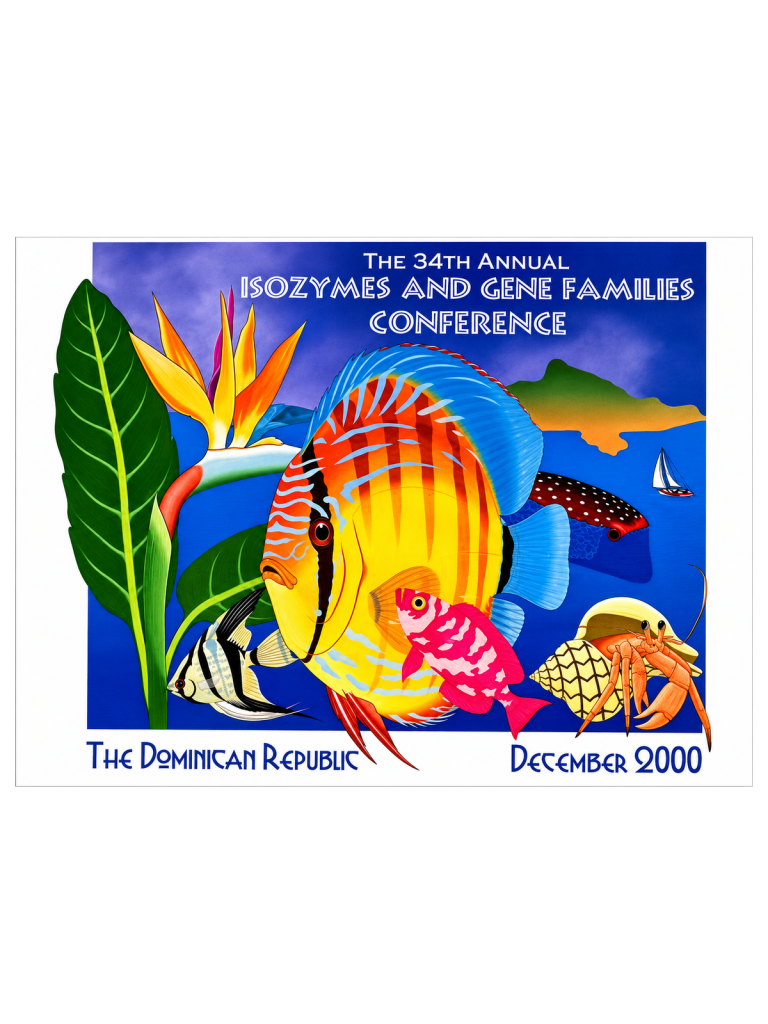
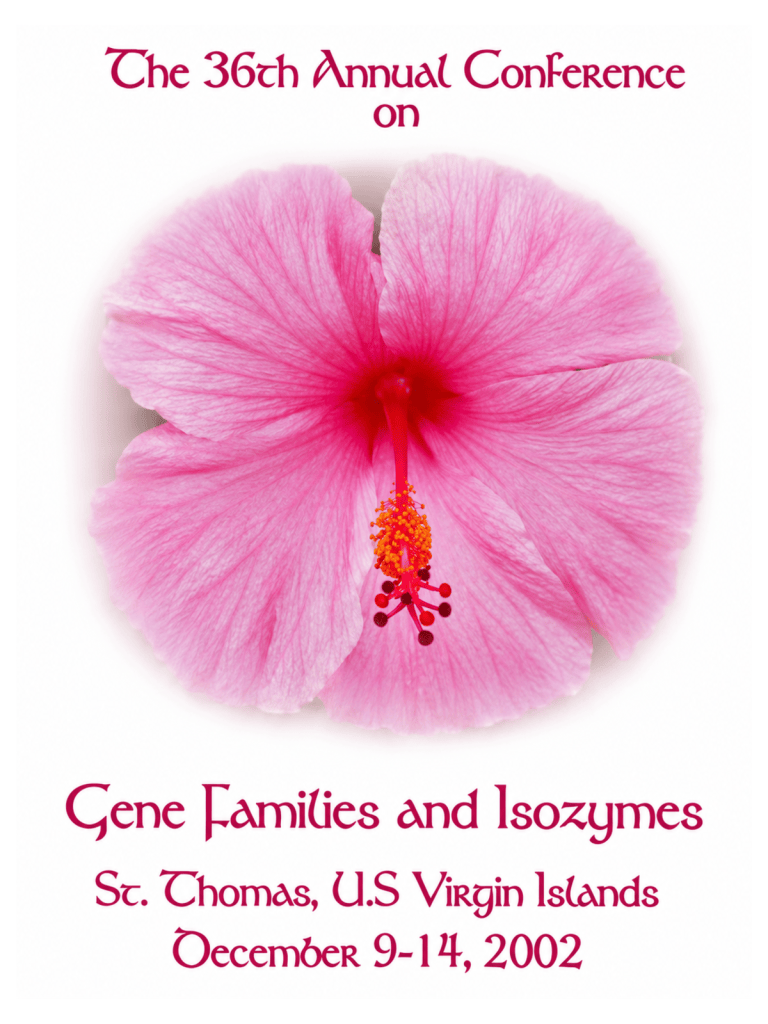
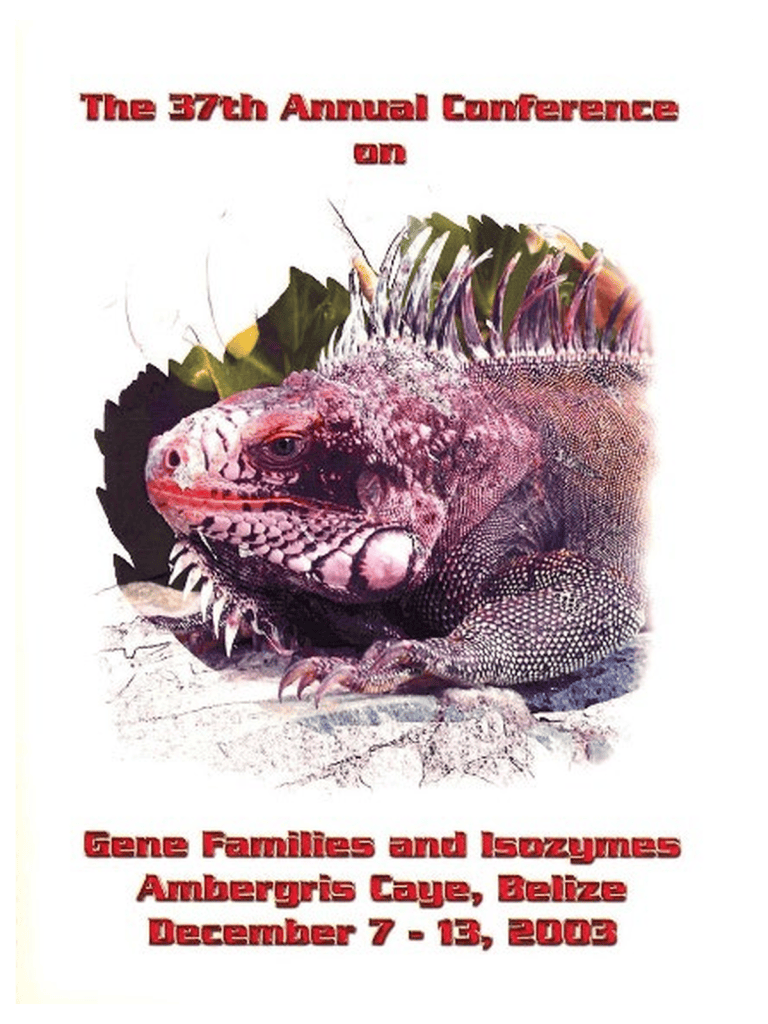
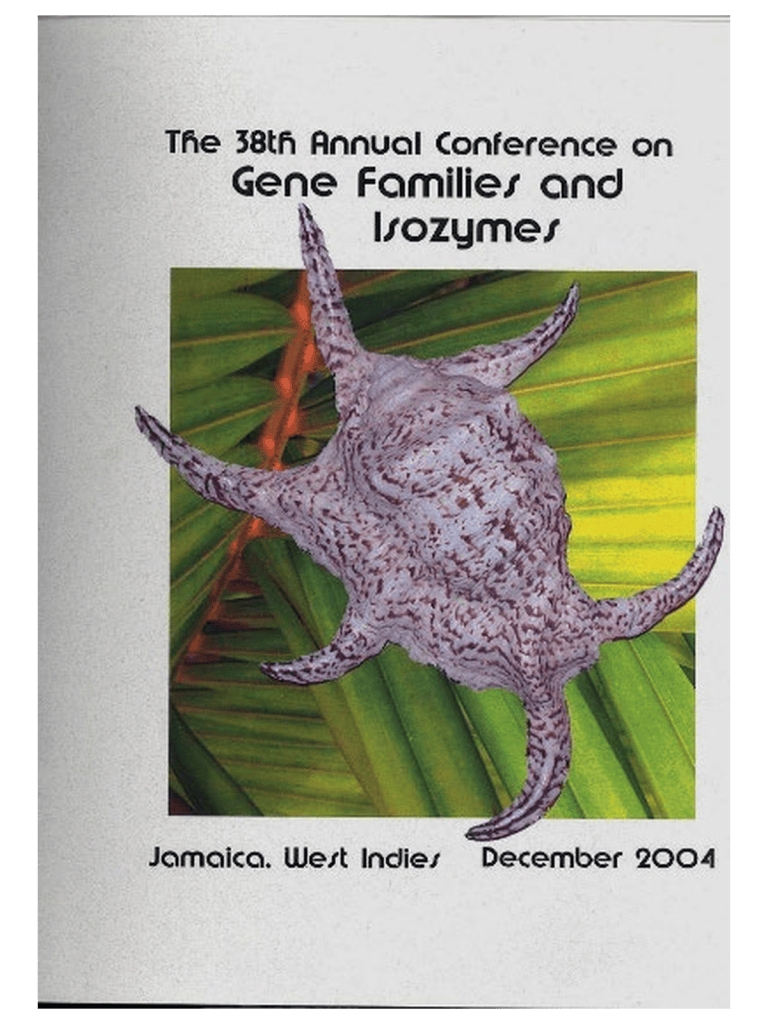
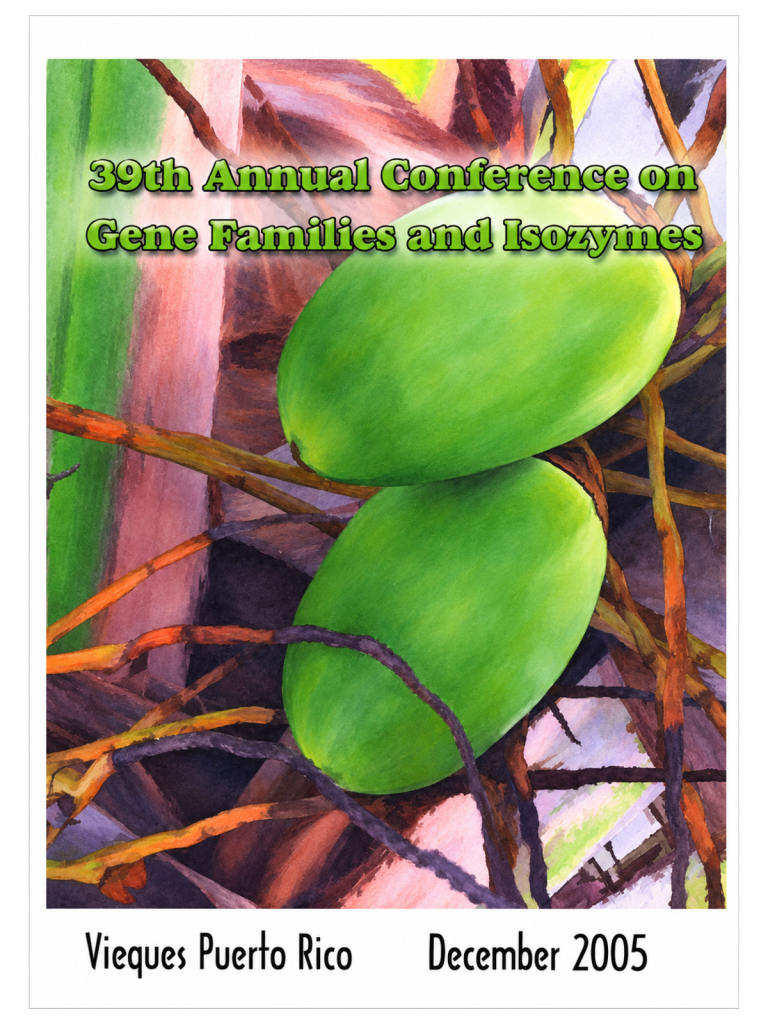
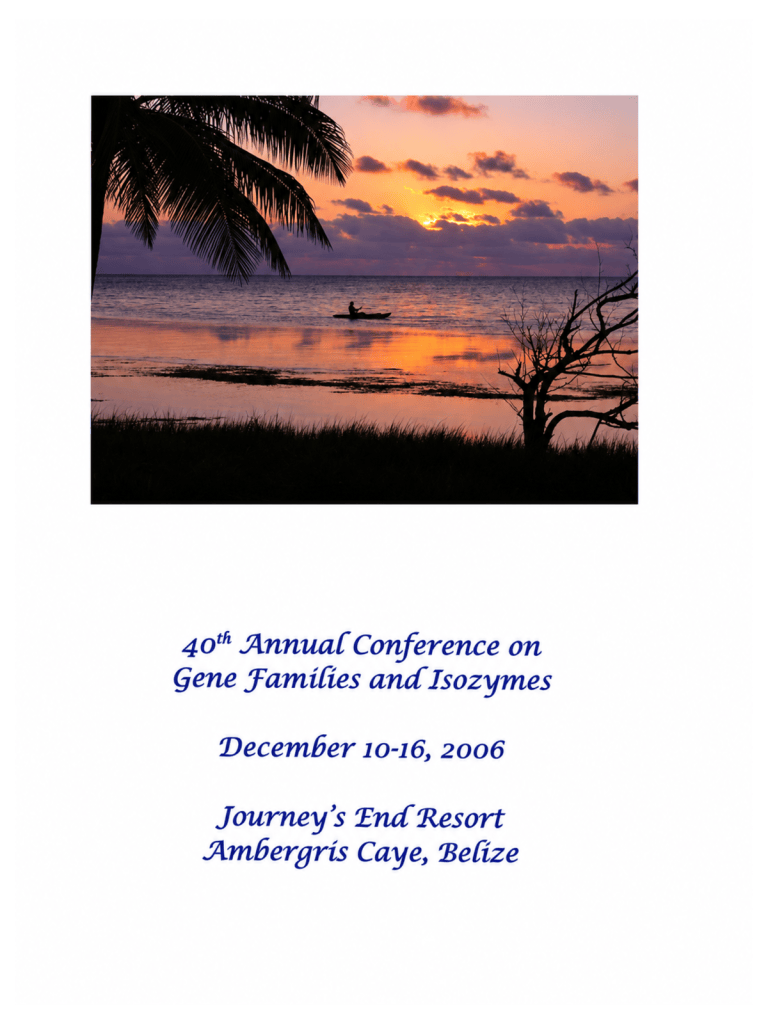
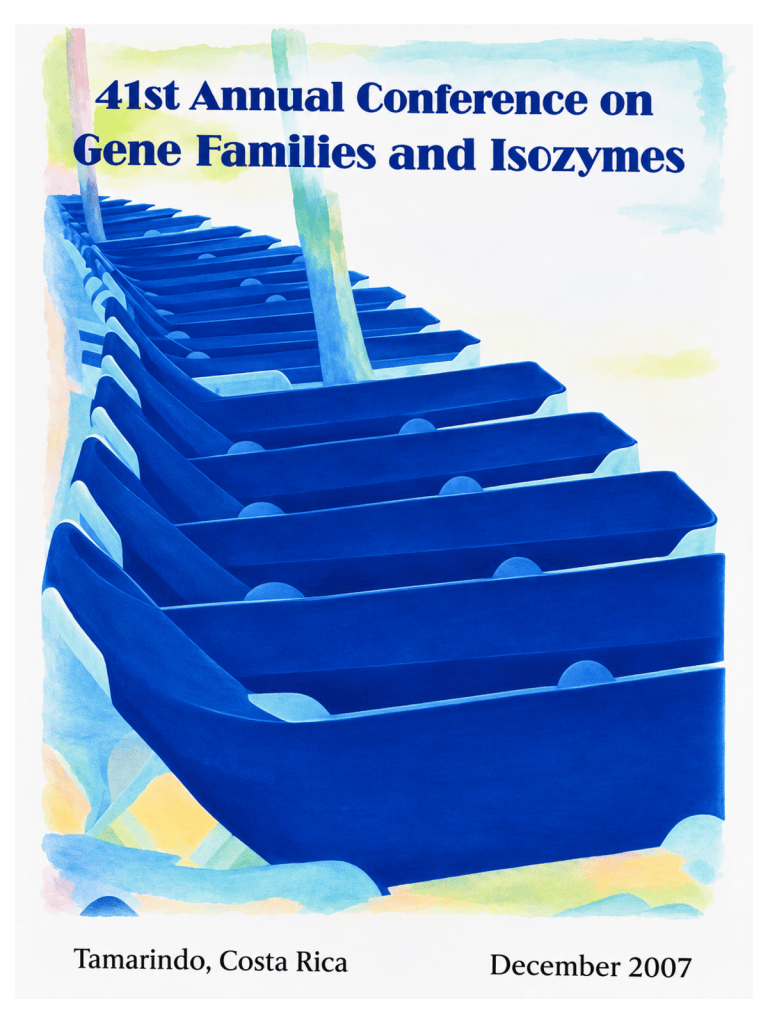
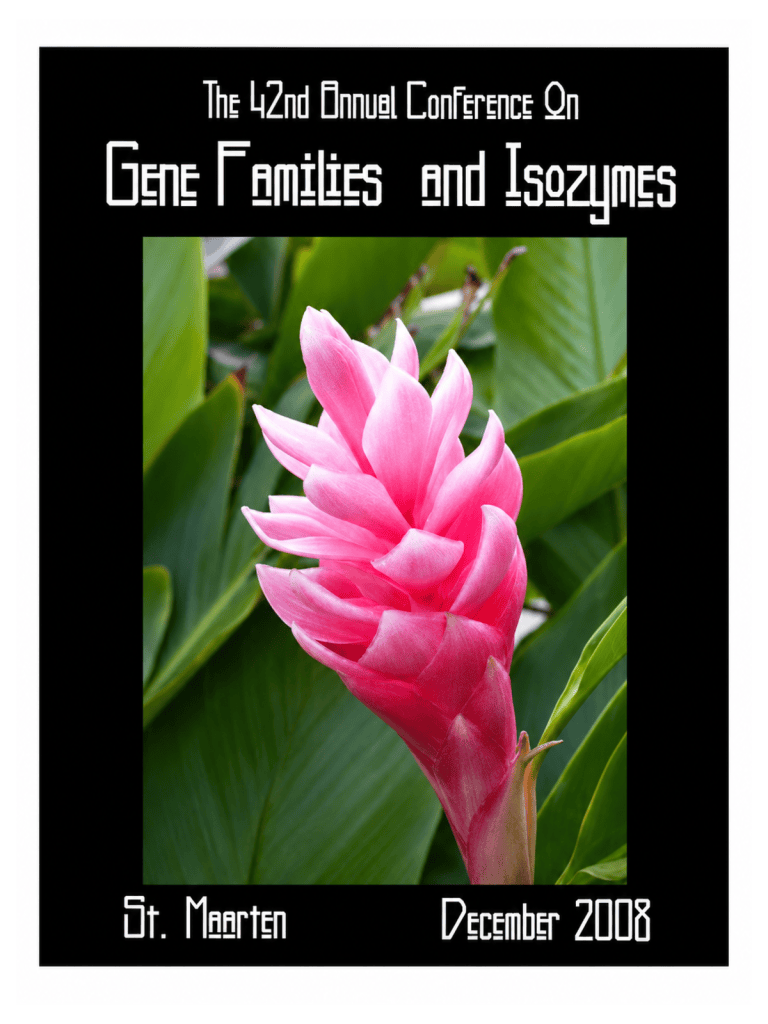
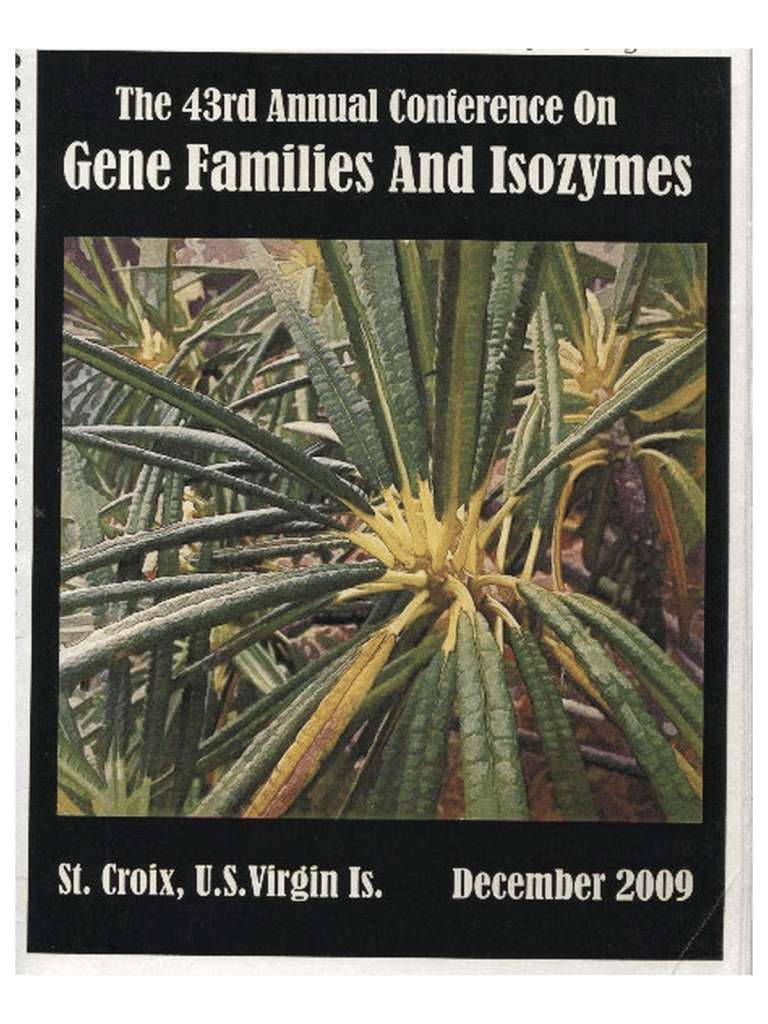
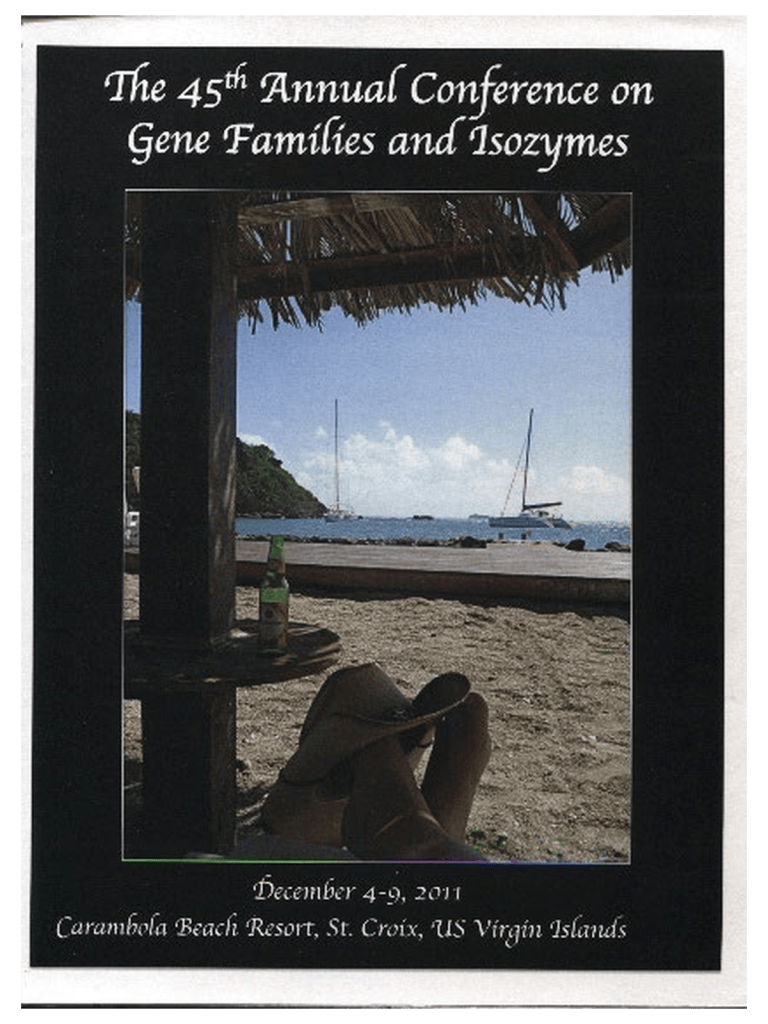
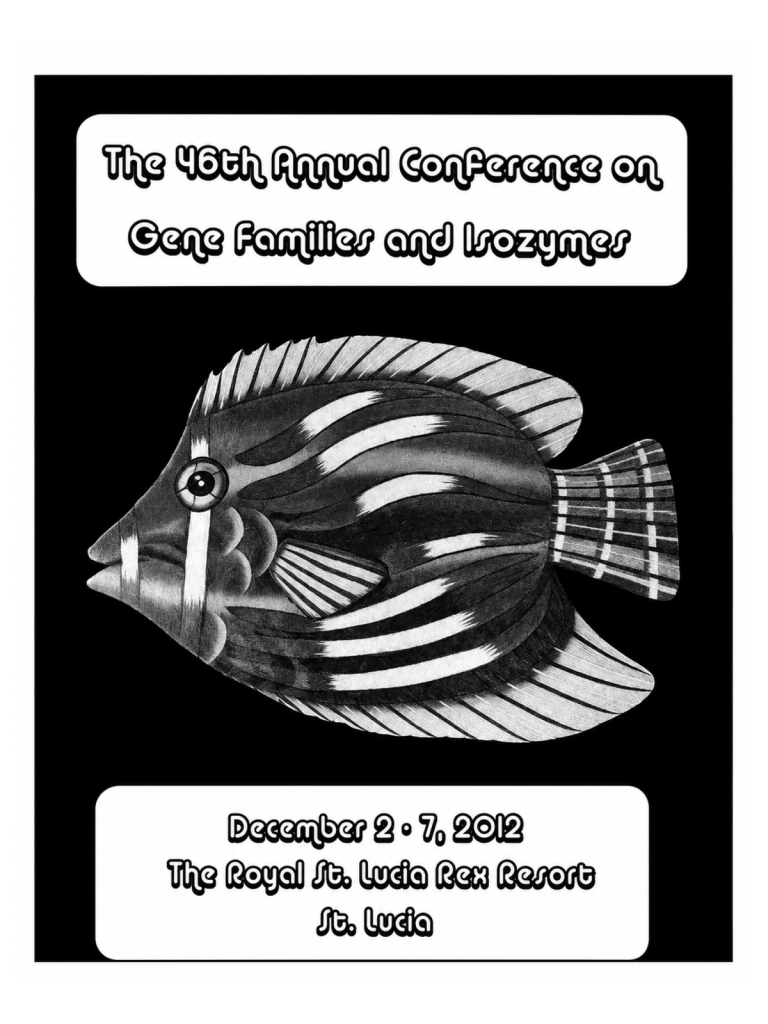
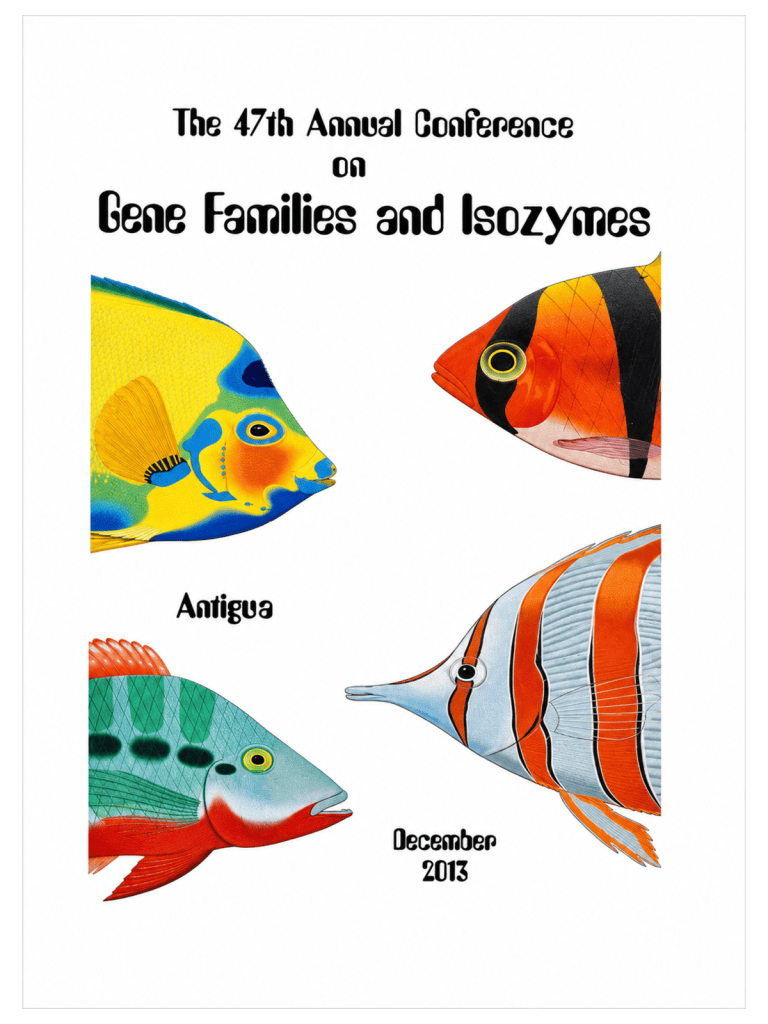
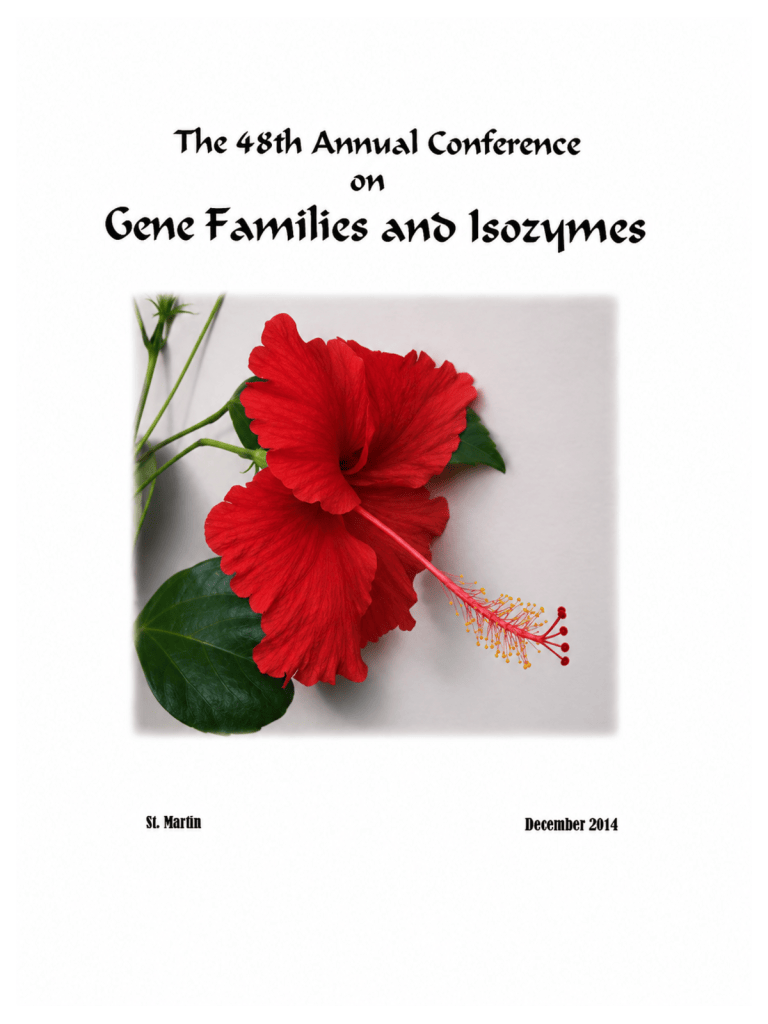
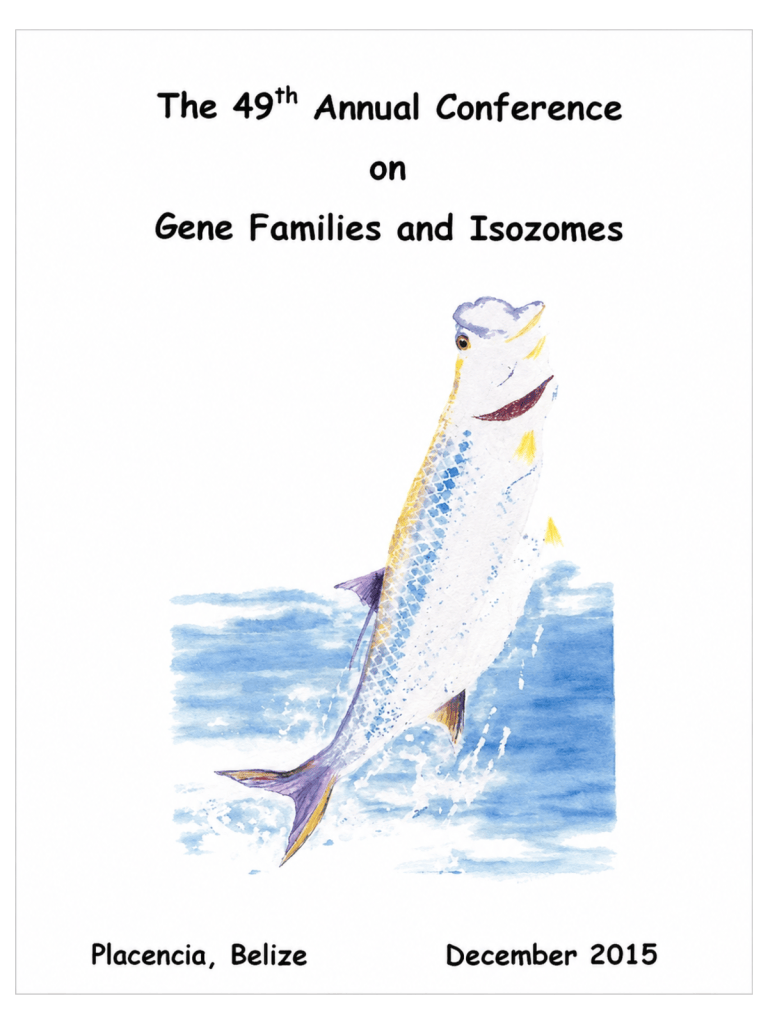
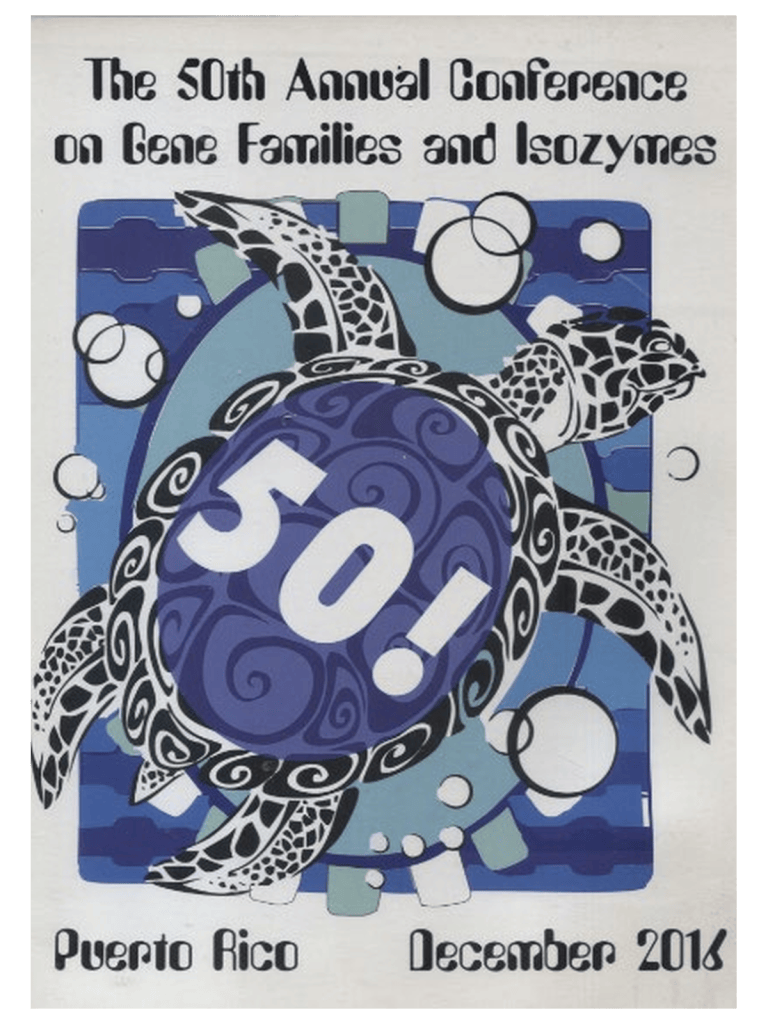
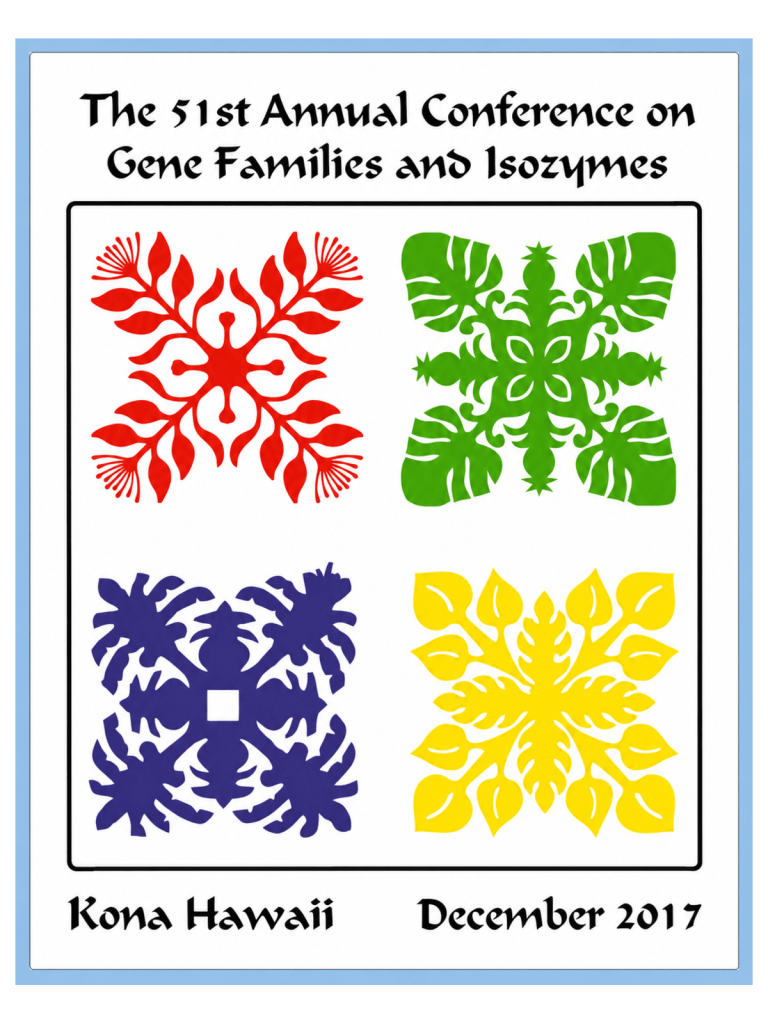
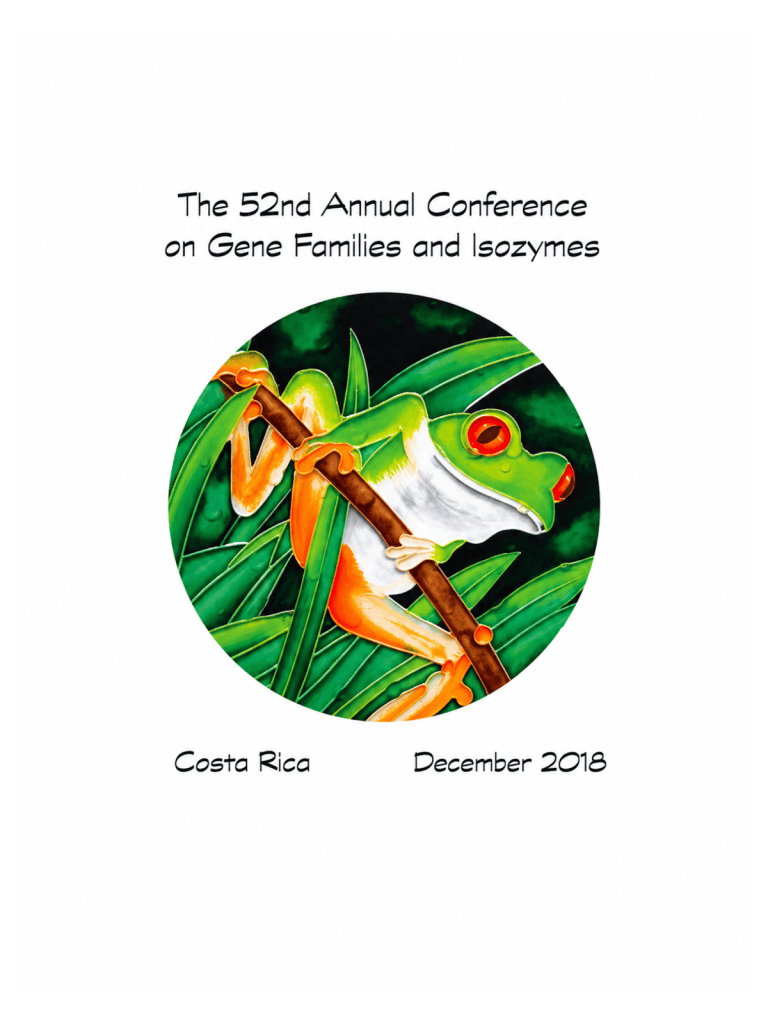
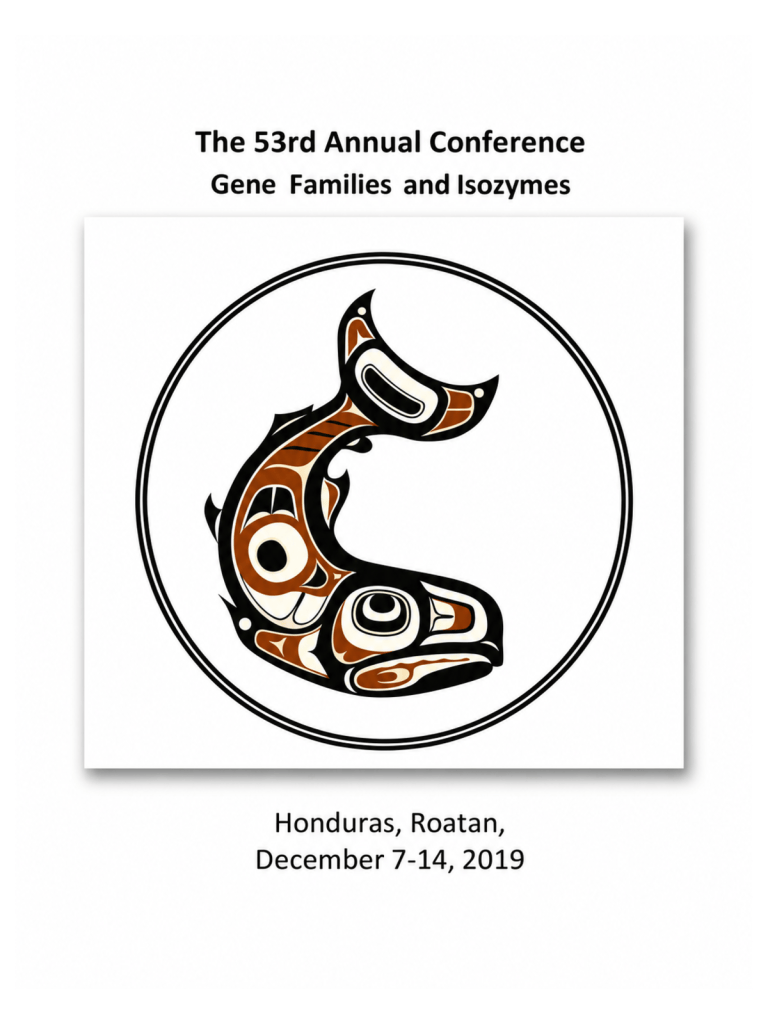
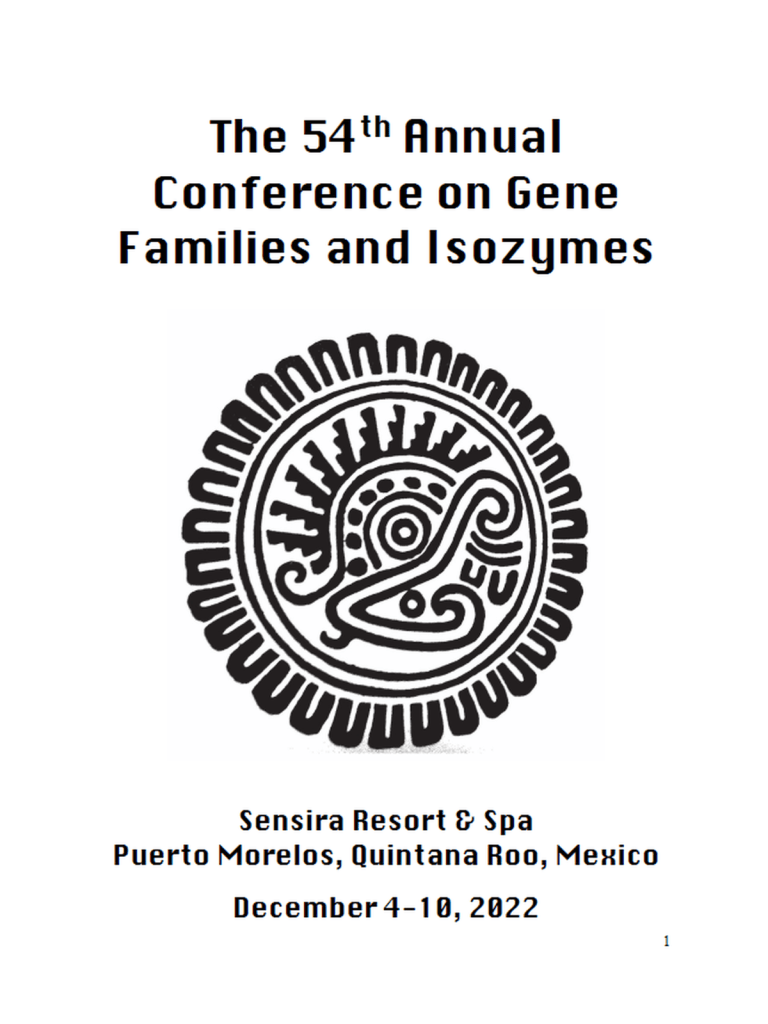
Barrie attended the inaugural meeting in 1965 and remained a regular participant through 2023, maintaining a remarkable association with GFI spanning nearly six decades. He organized the 1973 meeting and co-organized the 1984 and 1991 editions, contributing to both the scientific program and the conference’s longstanding traditions. Beyond his scientific contributions, Barrie was known for his artistic creativity. He designed many GFI program covers, created illustrations reflecting the themes of individual program sections, and made GFI-themed crafts to share with attendees.
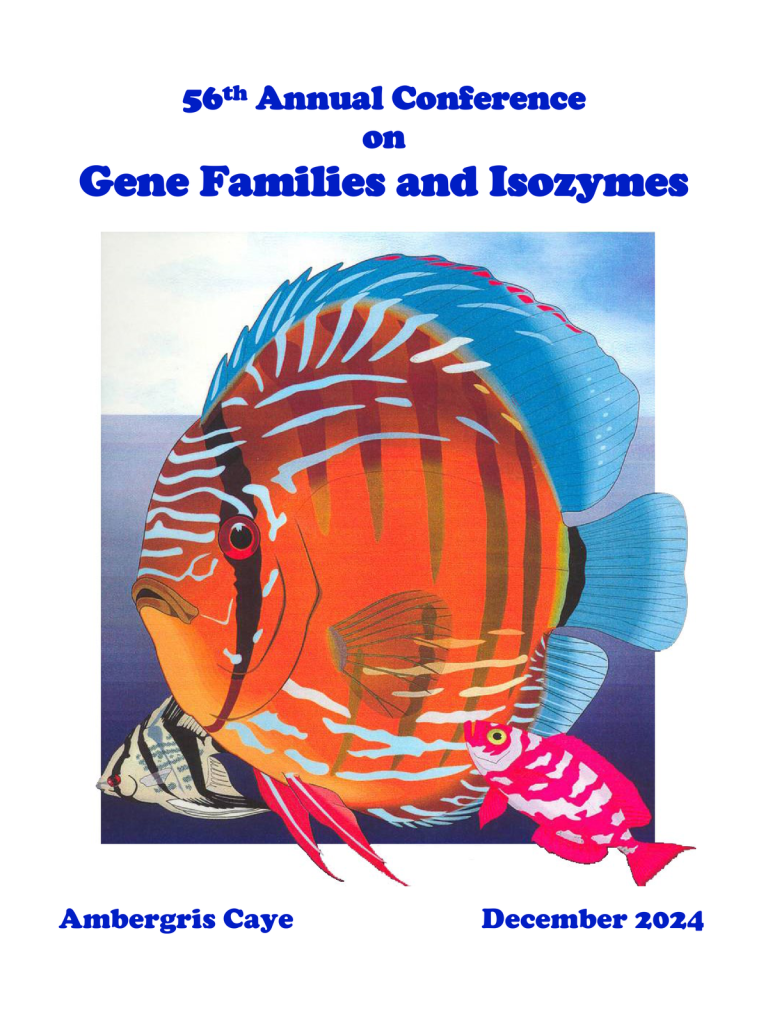
His colorful fish illustration first appeared on the 1995 St. Croix program and was brought back for the 2024 Belize meeting, which paid tribute to his contributions and featured reproductions of several earlier program covers. At the 2022 Mexico meeting, Barrie reflected on his lifelong passion for both disciplines in a presentation titled Conjoining the Arts and Sciences.
Through his research, artistic contributions, and decades of participation, Barrie Kitto helped shape both the scientific history and the unique character of the GFI community.
Barrie, you are deeply missed.

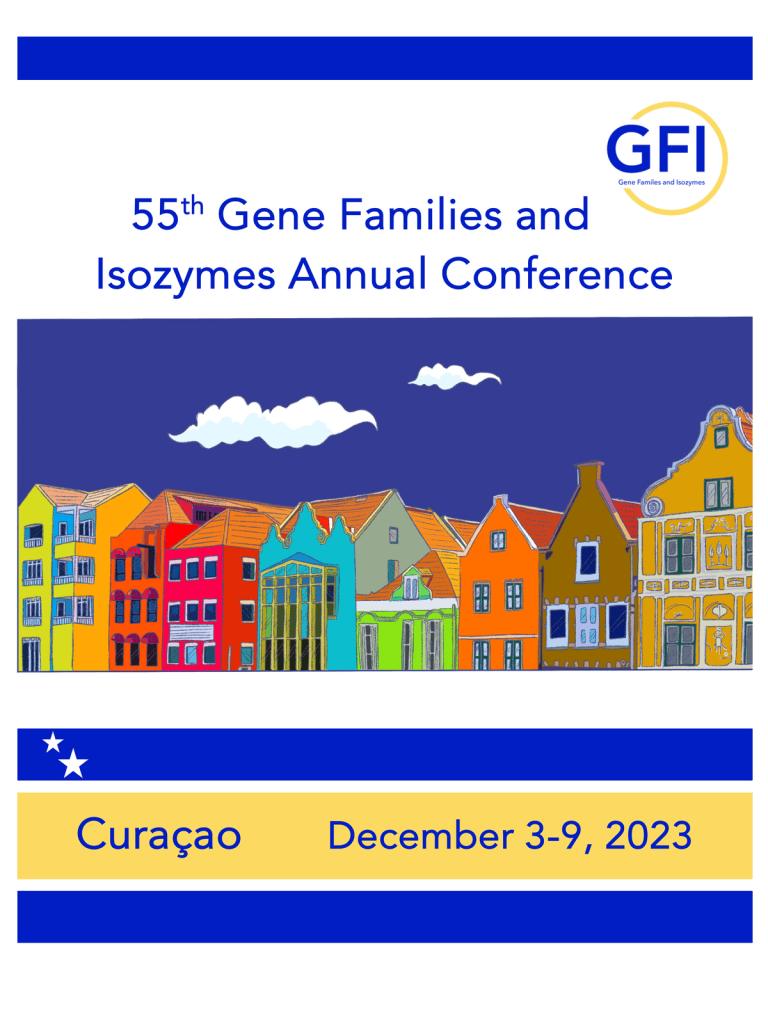
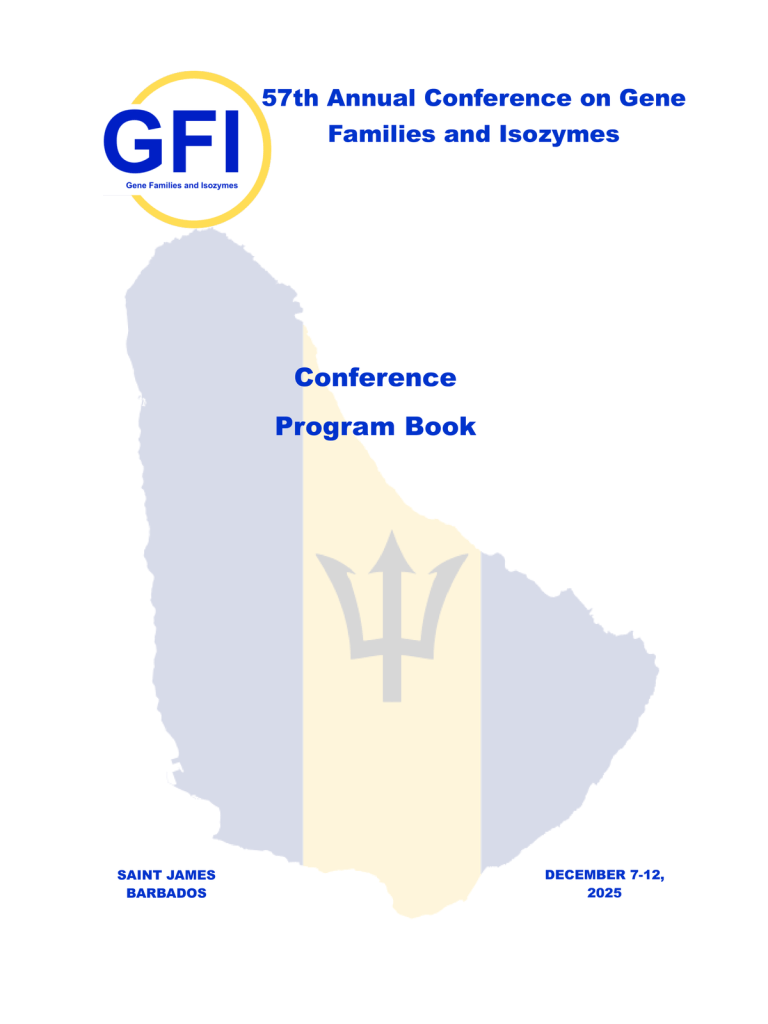
Conference Covers and Art

GFI friends and memories